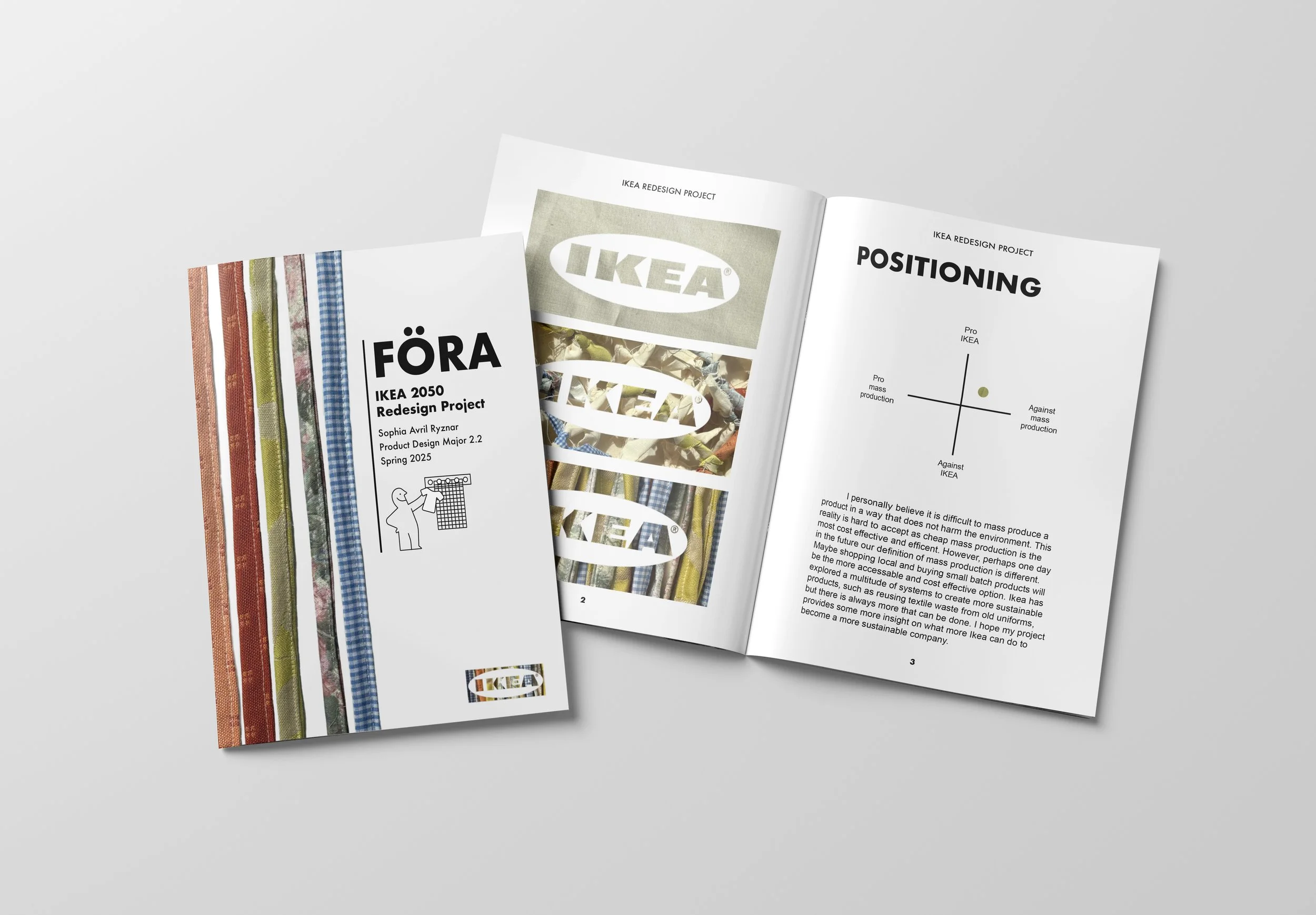
FÖRA
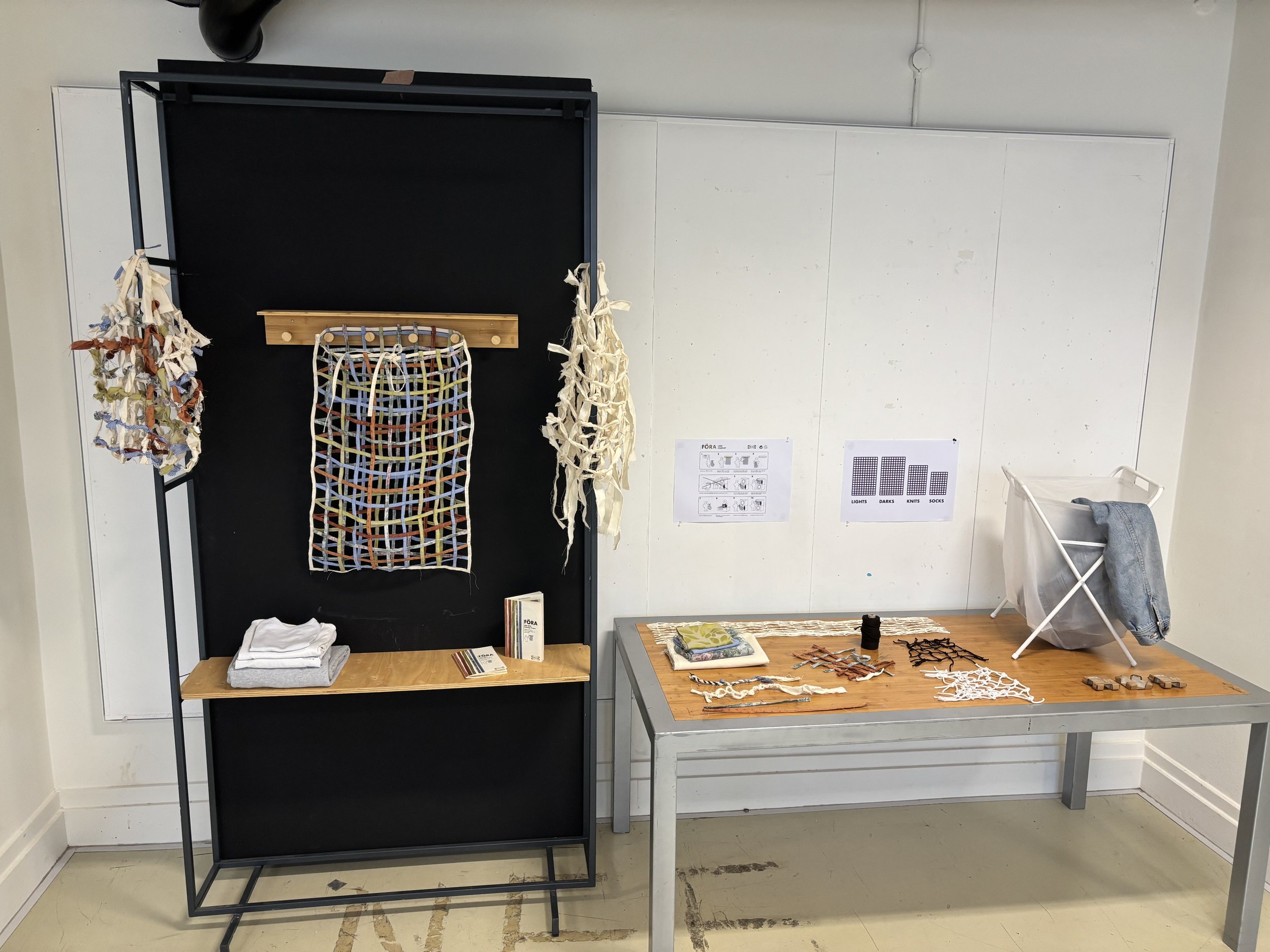
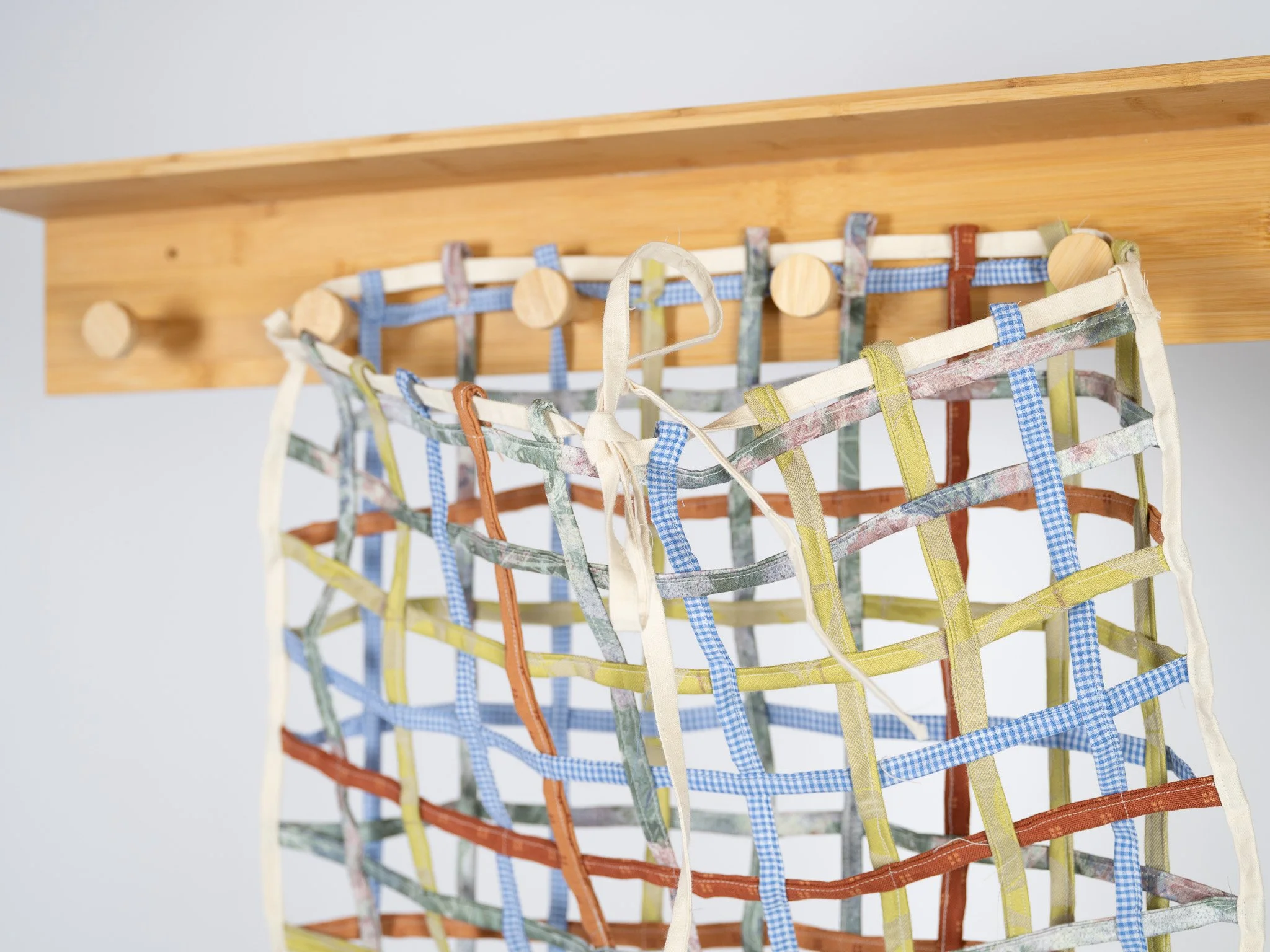
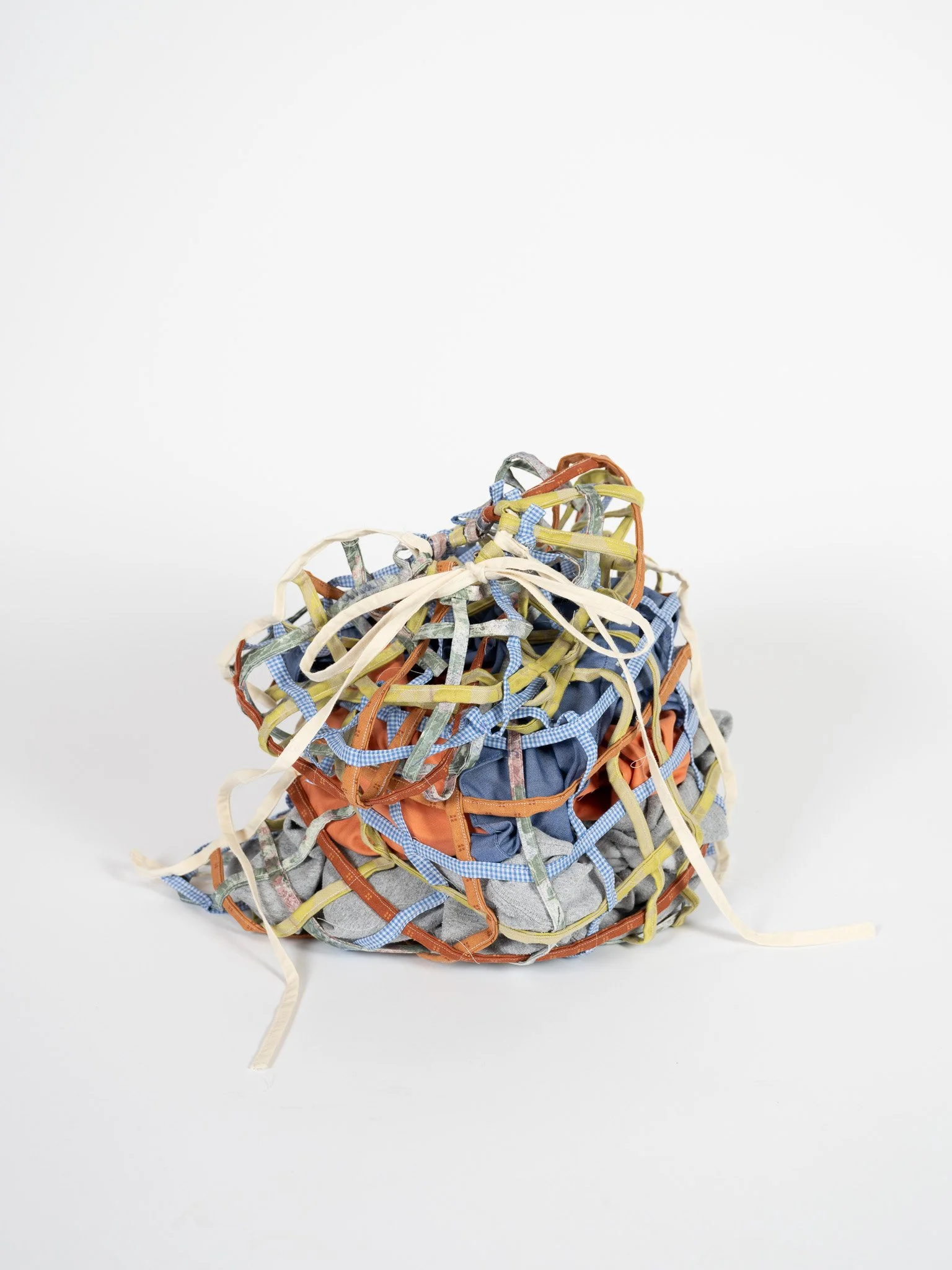
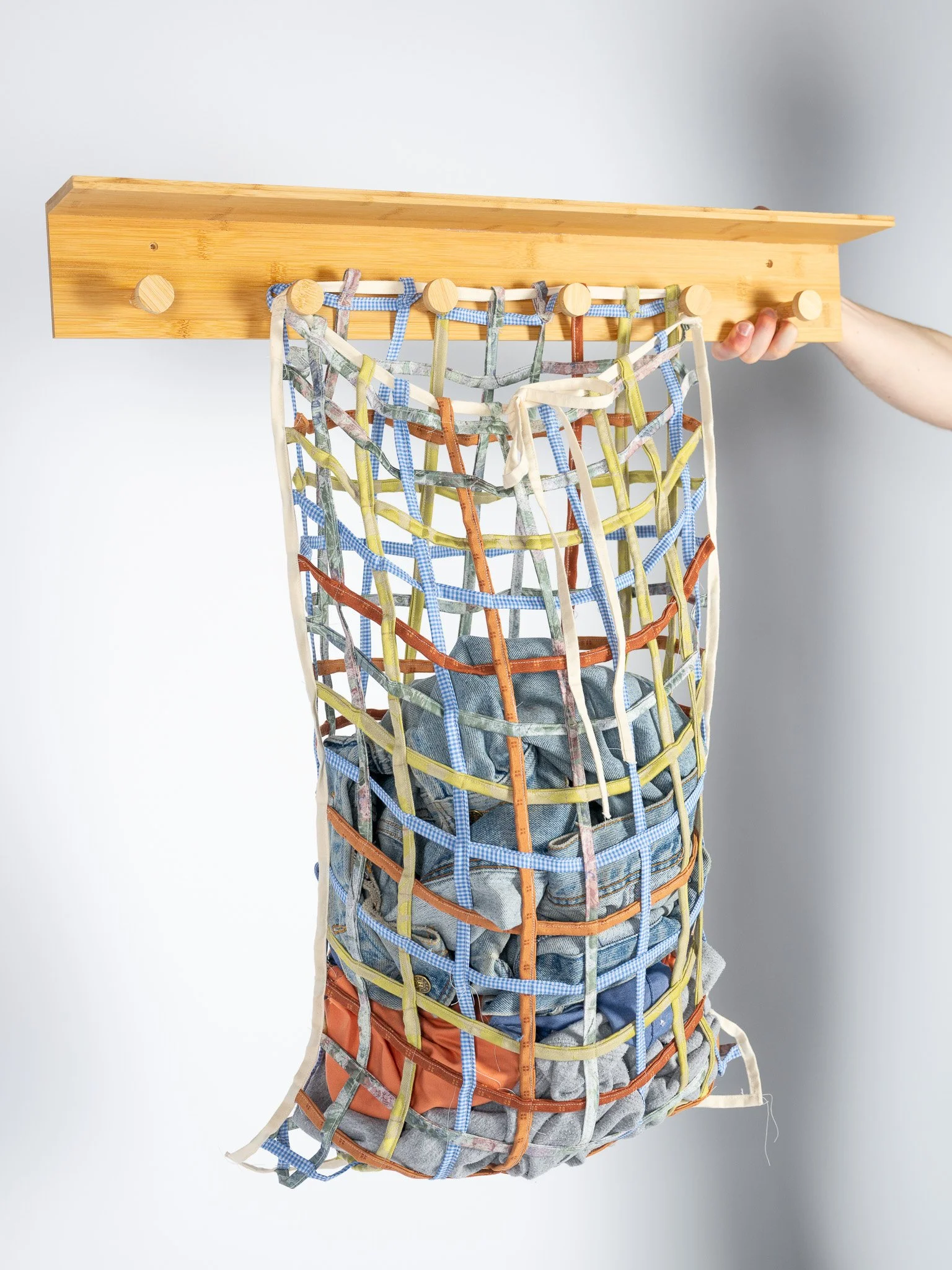
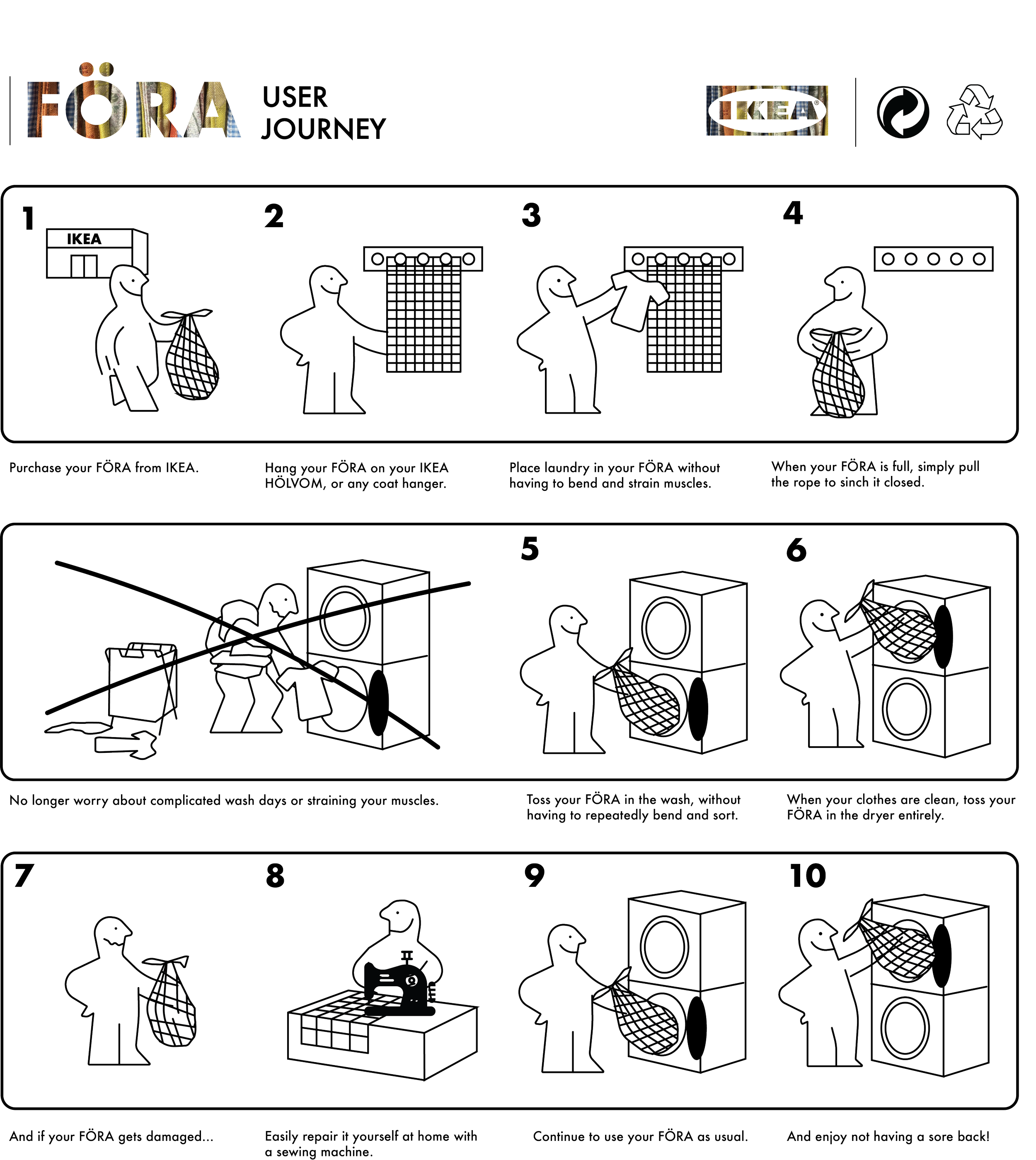
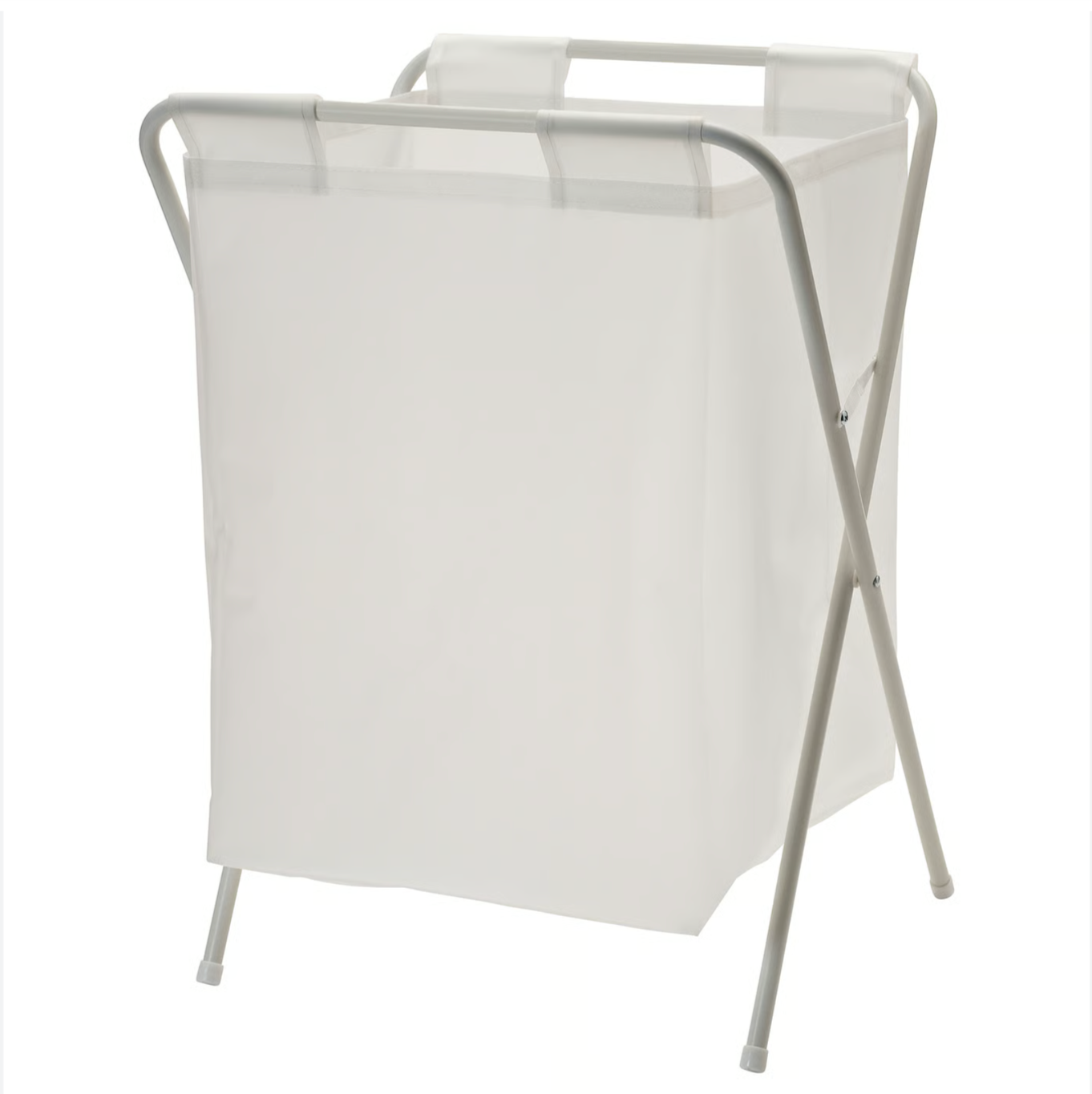
A socio and ecological redesign of Ikea’s Jäll laundry hamper. Made 100% out of recycled fabric, FÖRA hangs from your wall, and can be thrown right into the wash with your clothes, helping those with mobility issues in the home. Made out of one material for ease of recycling, repair, and material sourcing.
Completed while on student exchange in Rotterdam, NL.
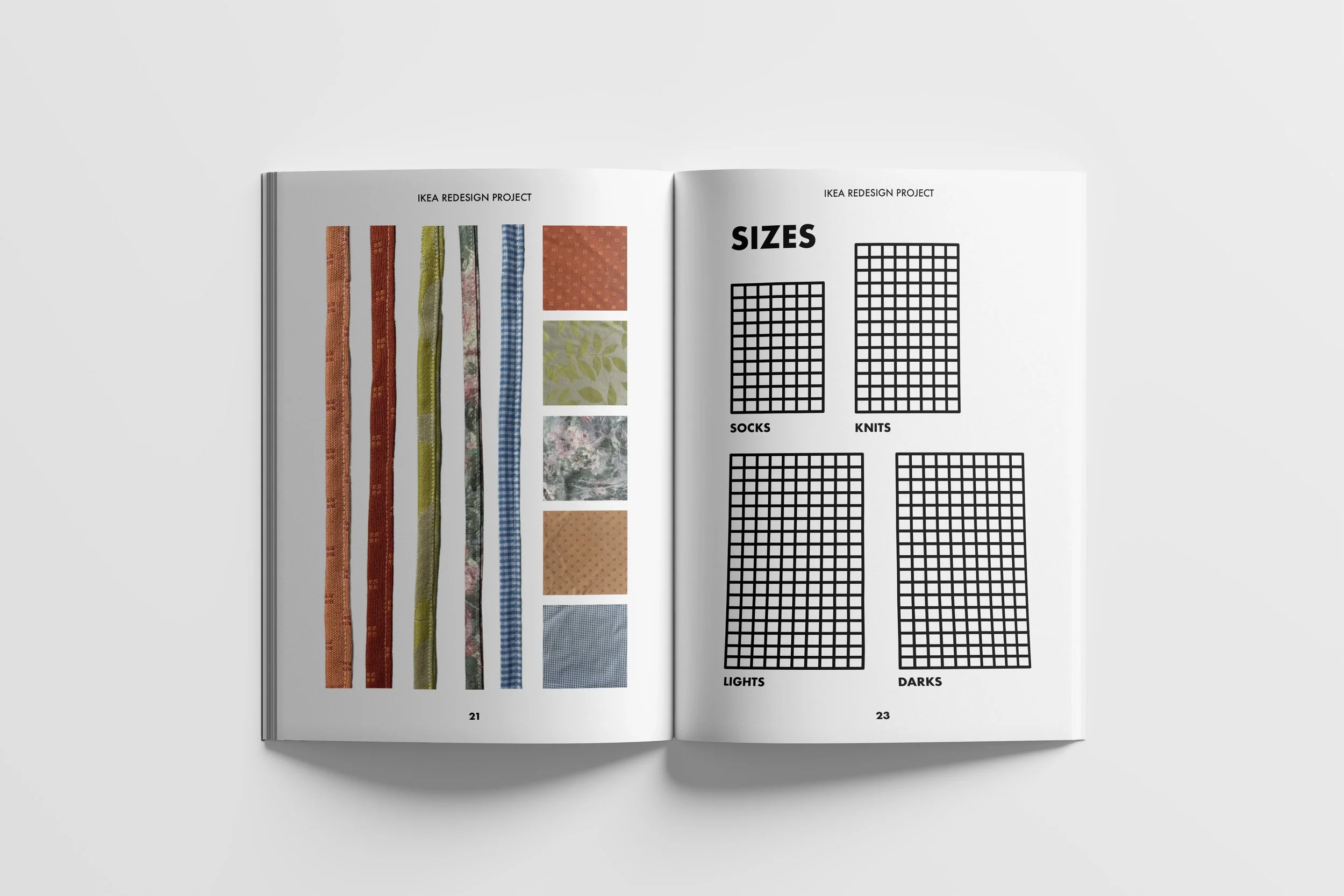
Upcycled fabric

Lifecycle Assessment
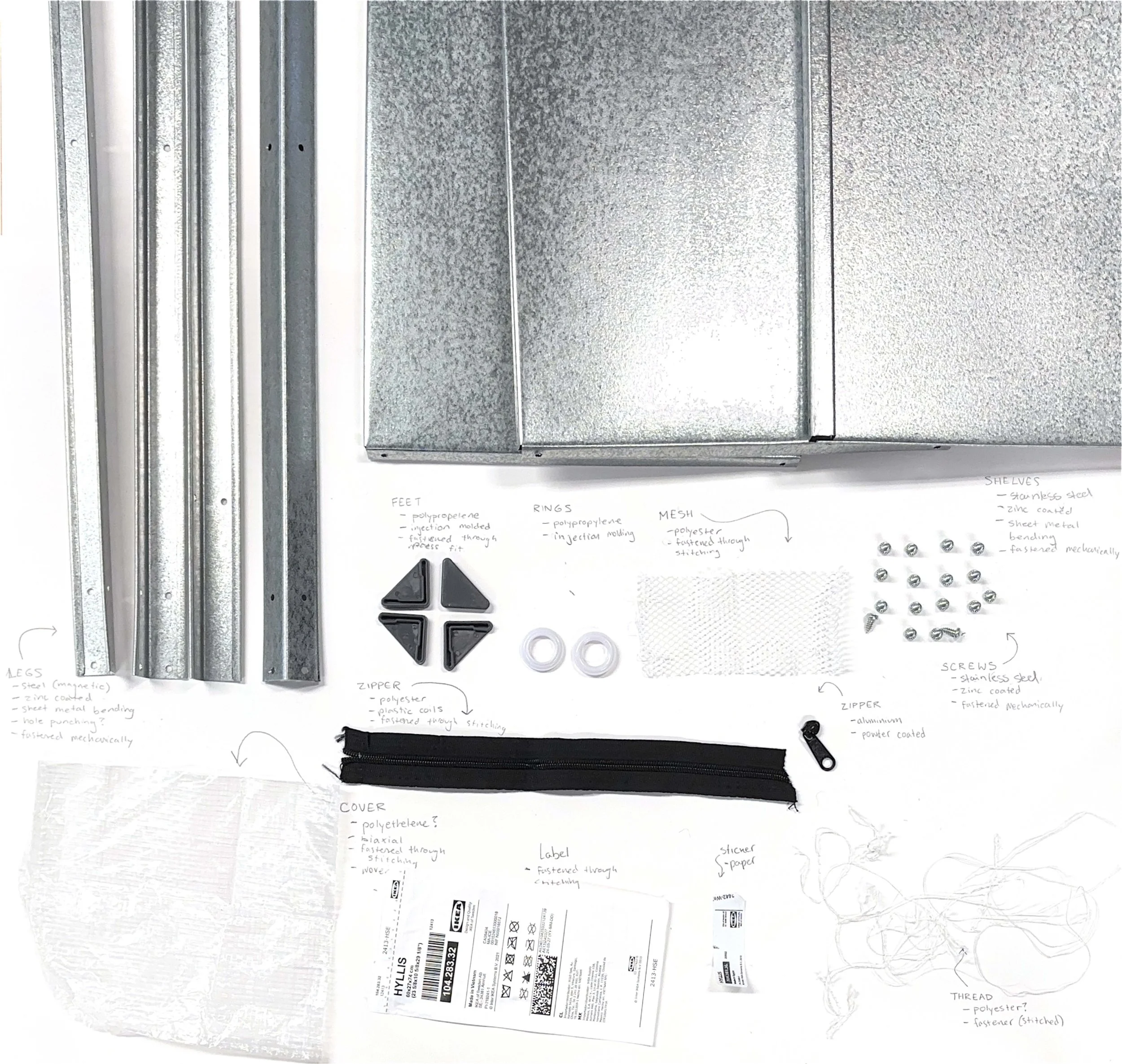
I began this project by taking the original product apart to assess all of the parts it’s made of. The JÄLL is composed of over TEN different materials. Why so complicated?
Concept Development
The less variety of material in a product, the easier it is to recycle, and the less emissions wasted on shipping materials. It was clear I needed to simplify this unnecessarily complex laundry hamper to just one material for a more sustainable solution. I began sketching.
Ecological improvements were not my only concern. I wondered how the JÄLL could be improved sociologically too. I began exploring how the JÄLL could be made more accessible for people with mobility issues that struggle with daily tasks around the home.
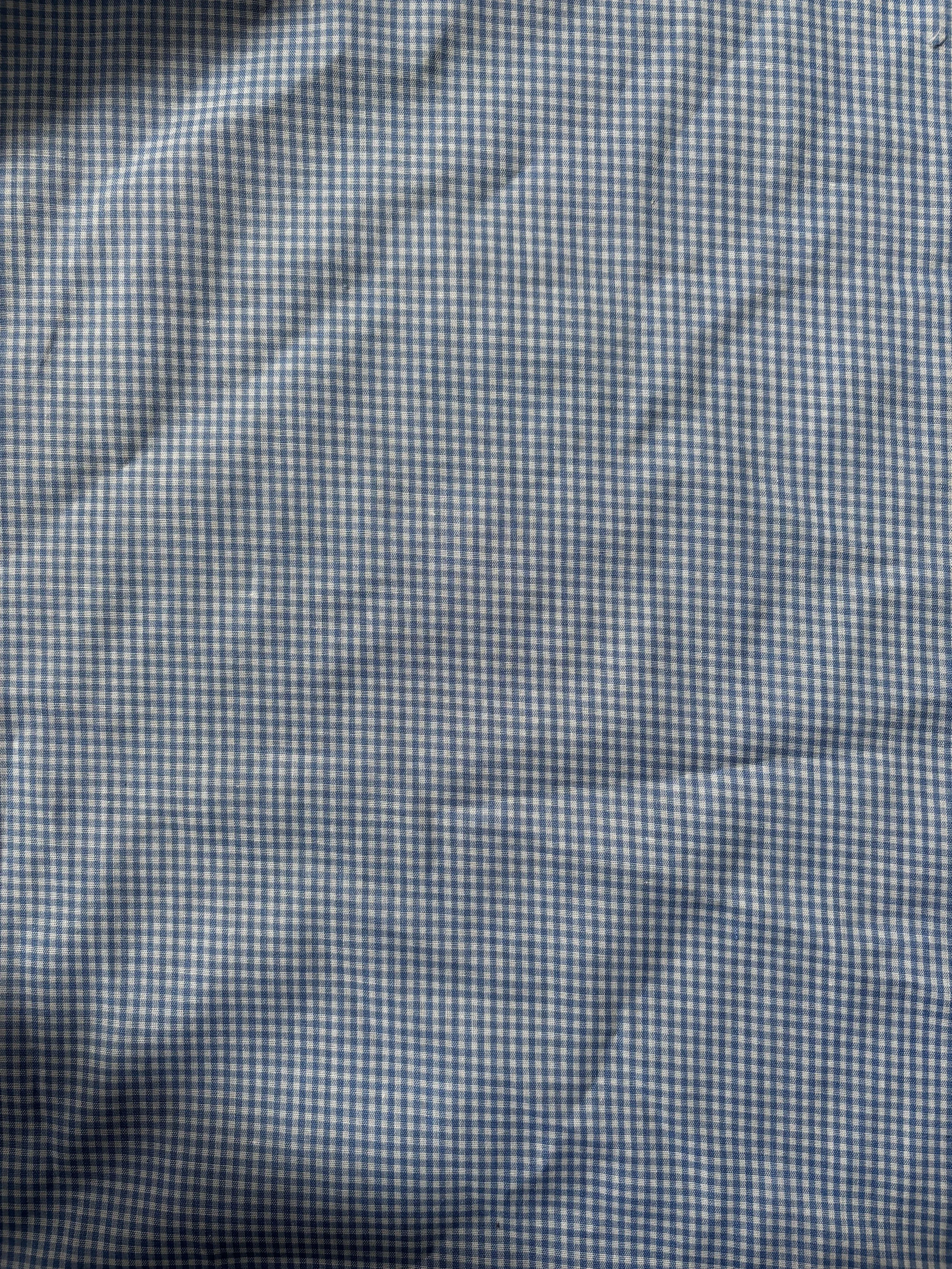
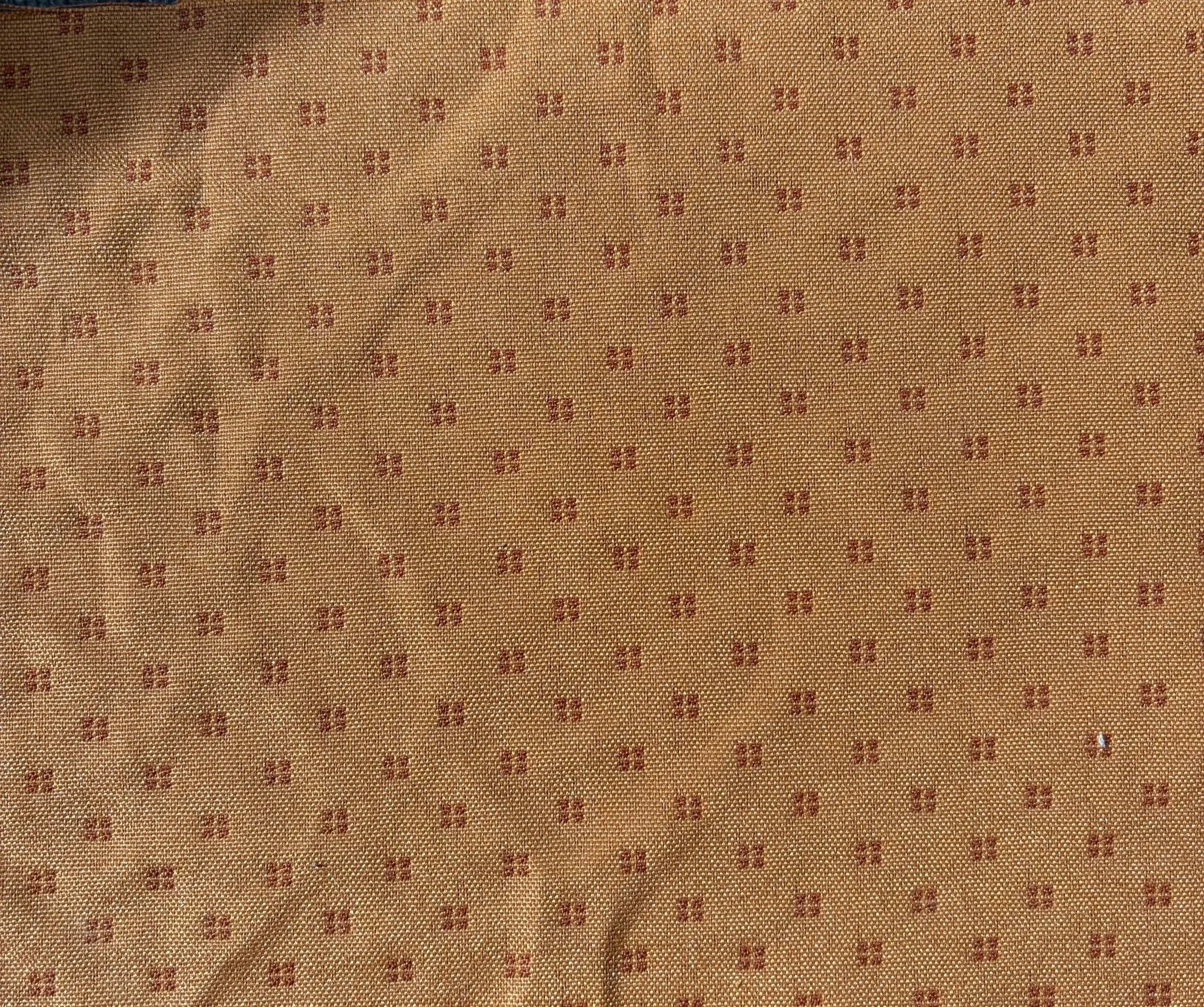

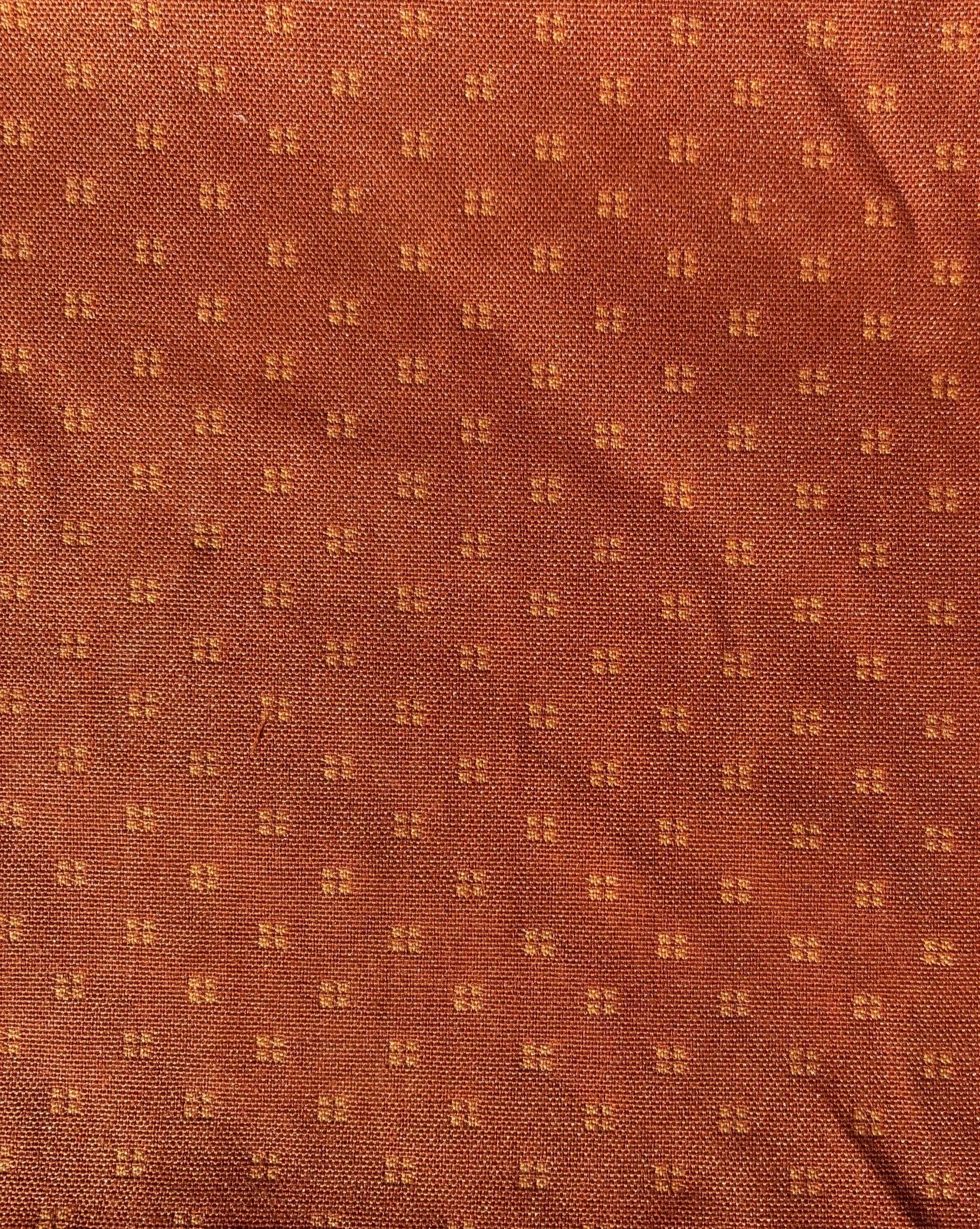
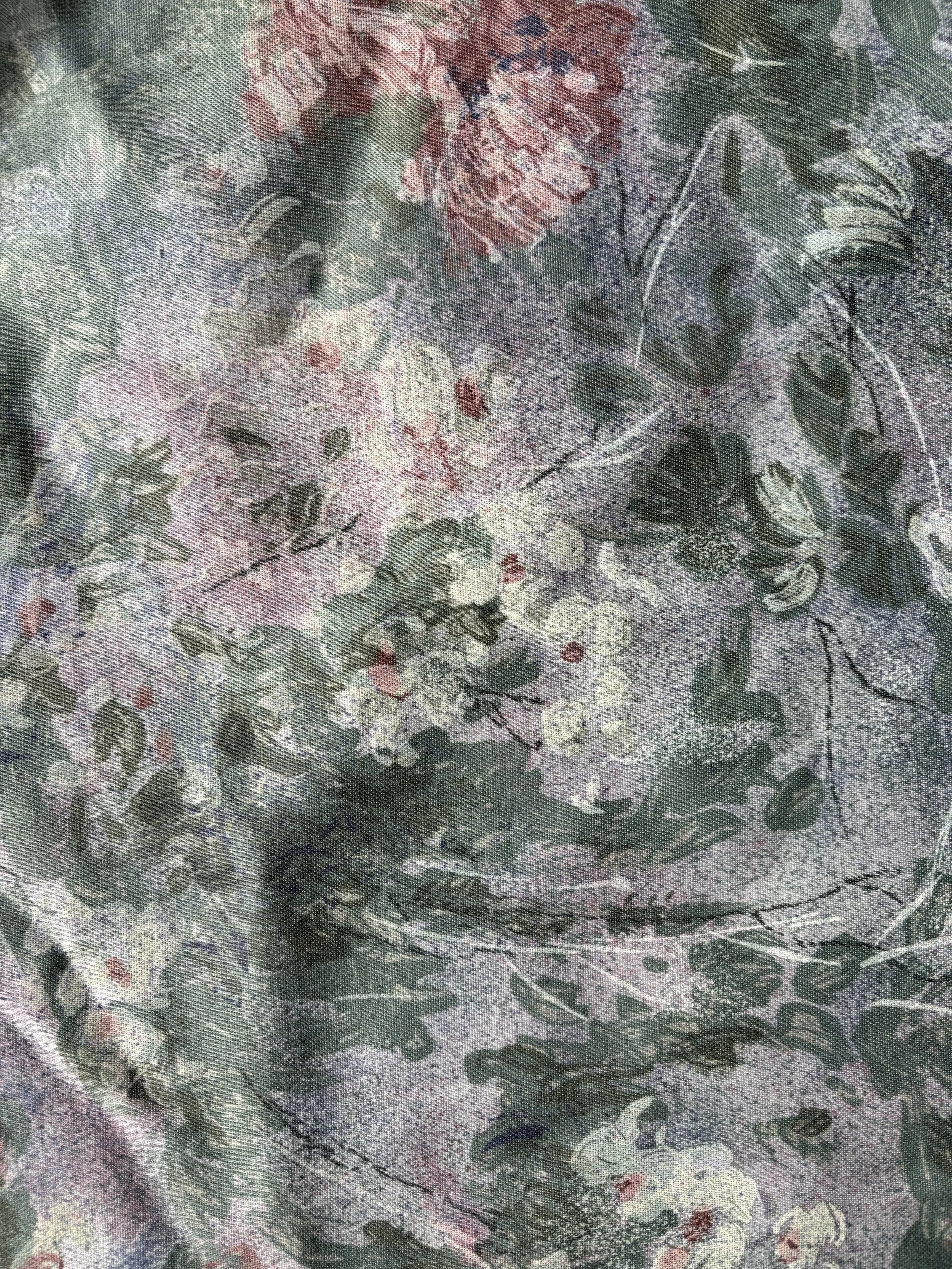
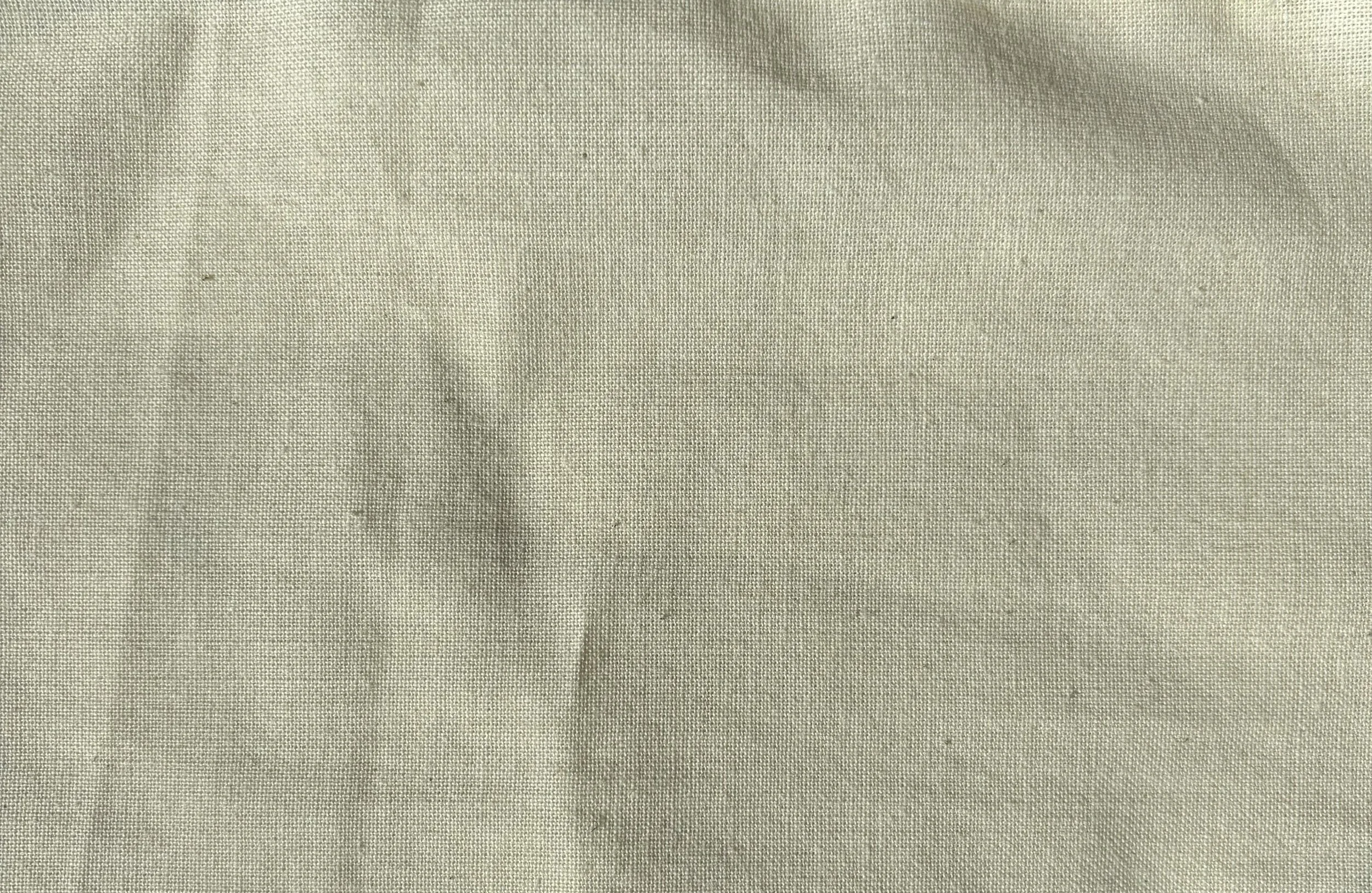
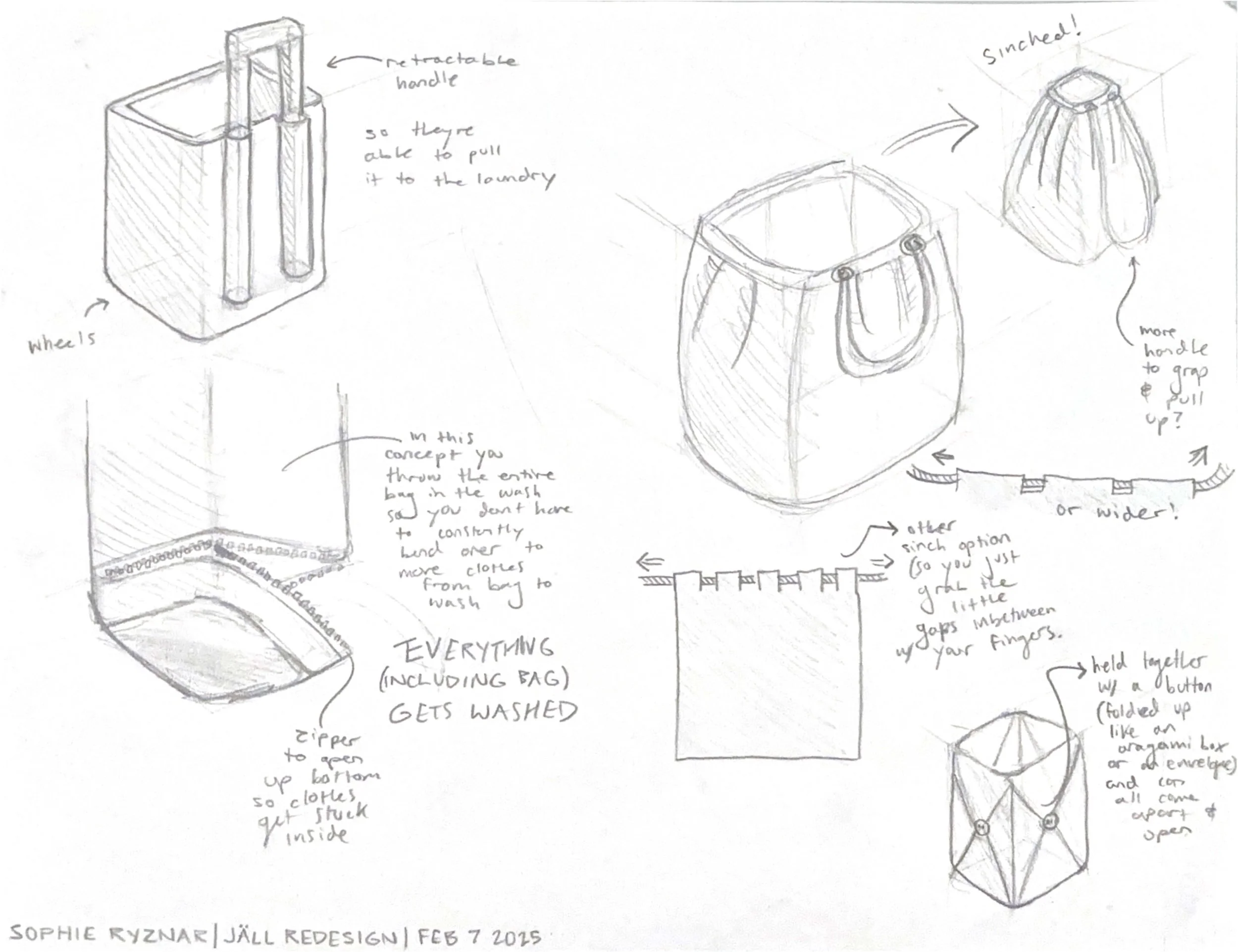
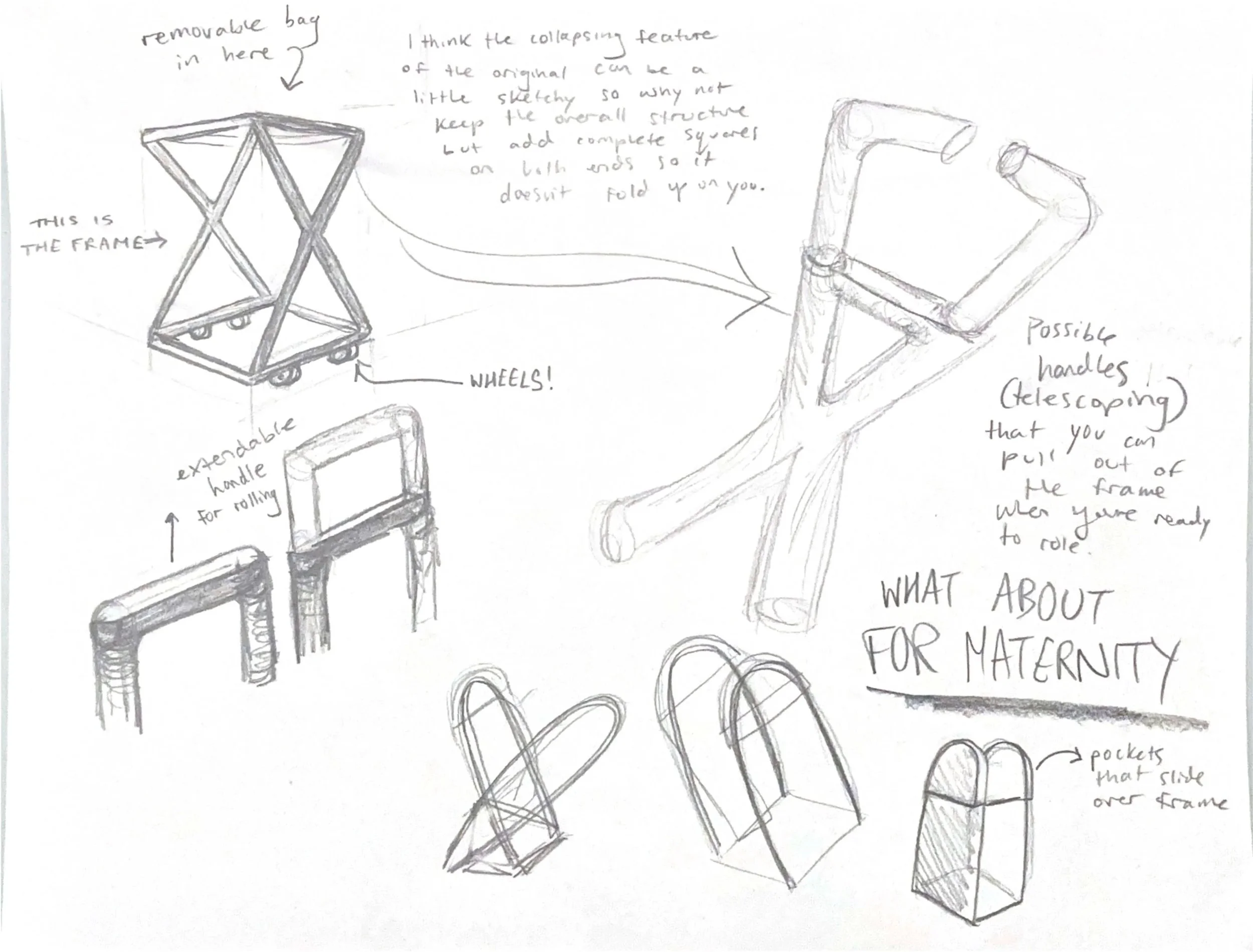
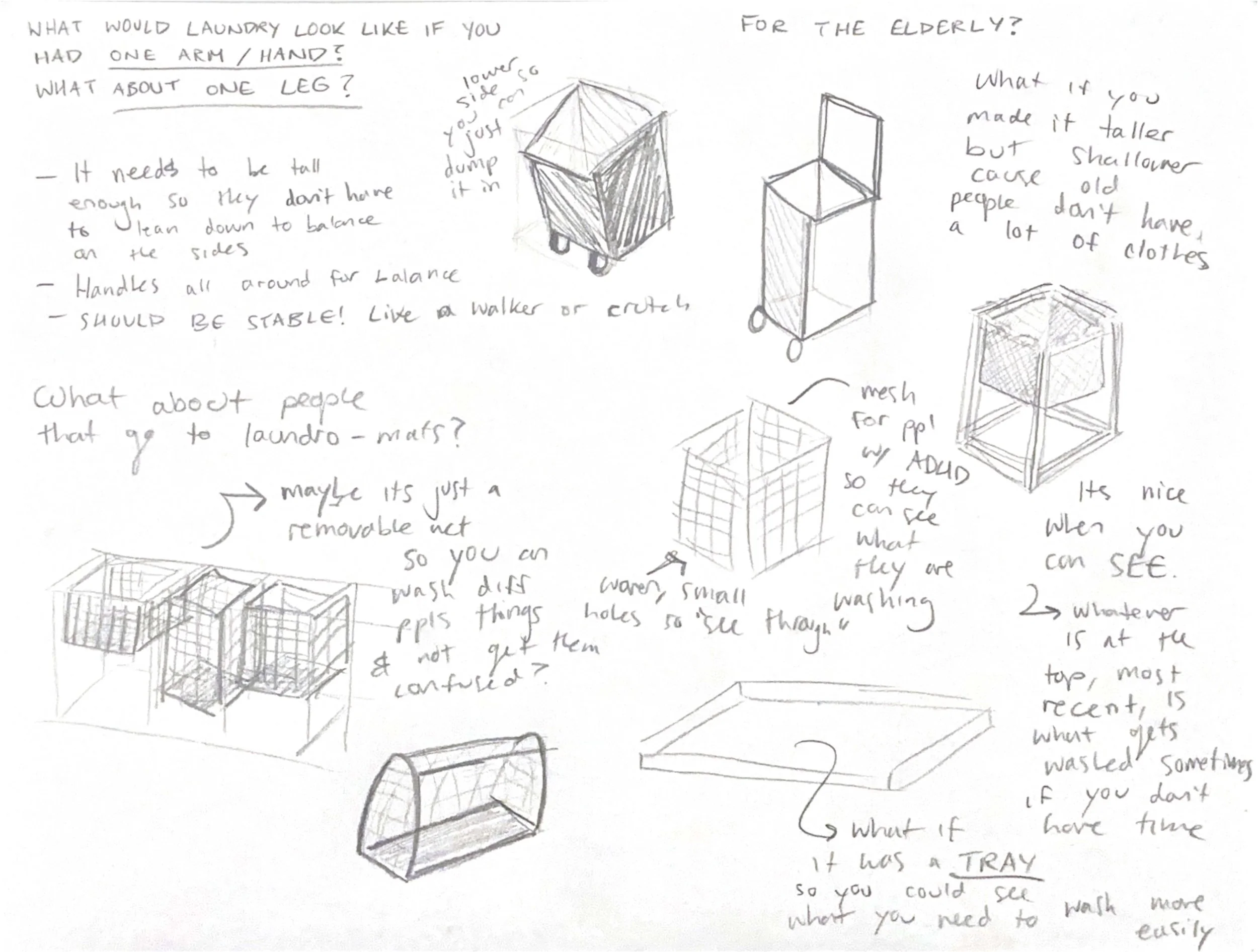
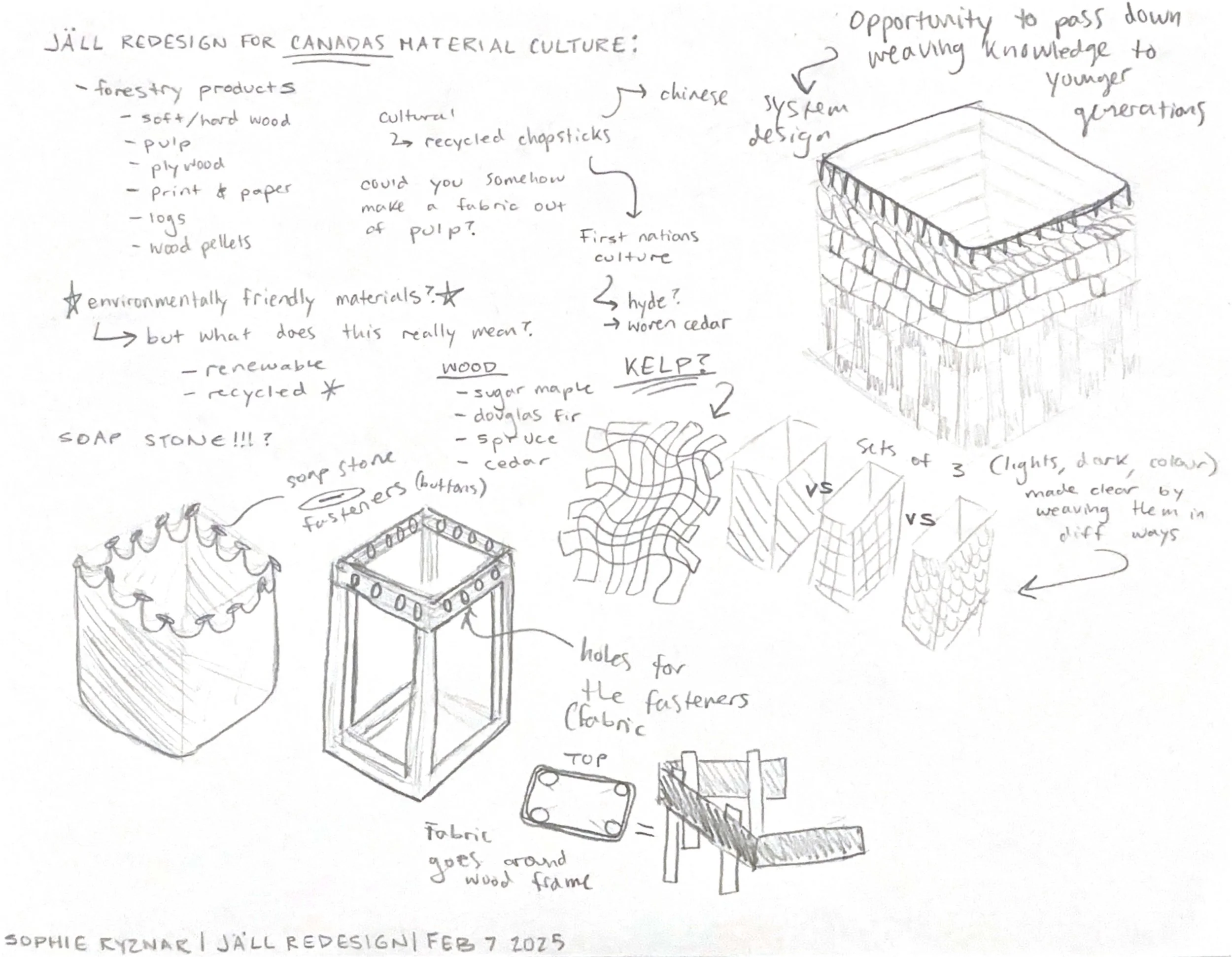
Material Exploarations
I then explored how fabric could be used as the single material in my design. I began exploring with flax rope, as it was easily accessible in Rotterdam and could be sourced and grown locally.
I finally landed on recycled fabric. Specifically from old Ikea products. I imagined a future where Ikea has neighbourhood return it centres, similar to bottle depots. There, furniture could be stripped of it’s upholstry and used to make products such as this laundry hamper.
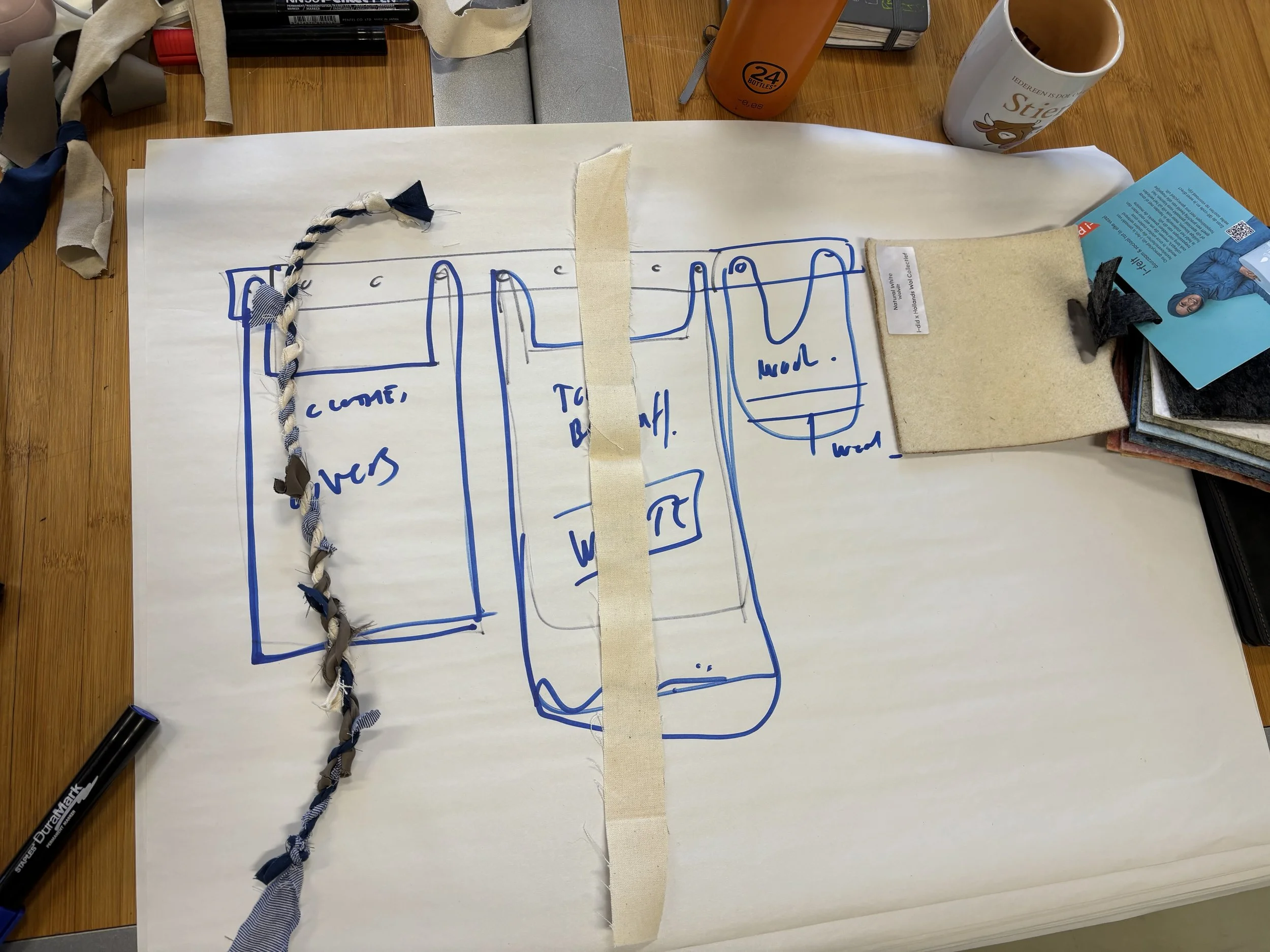
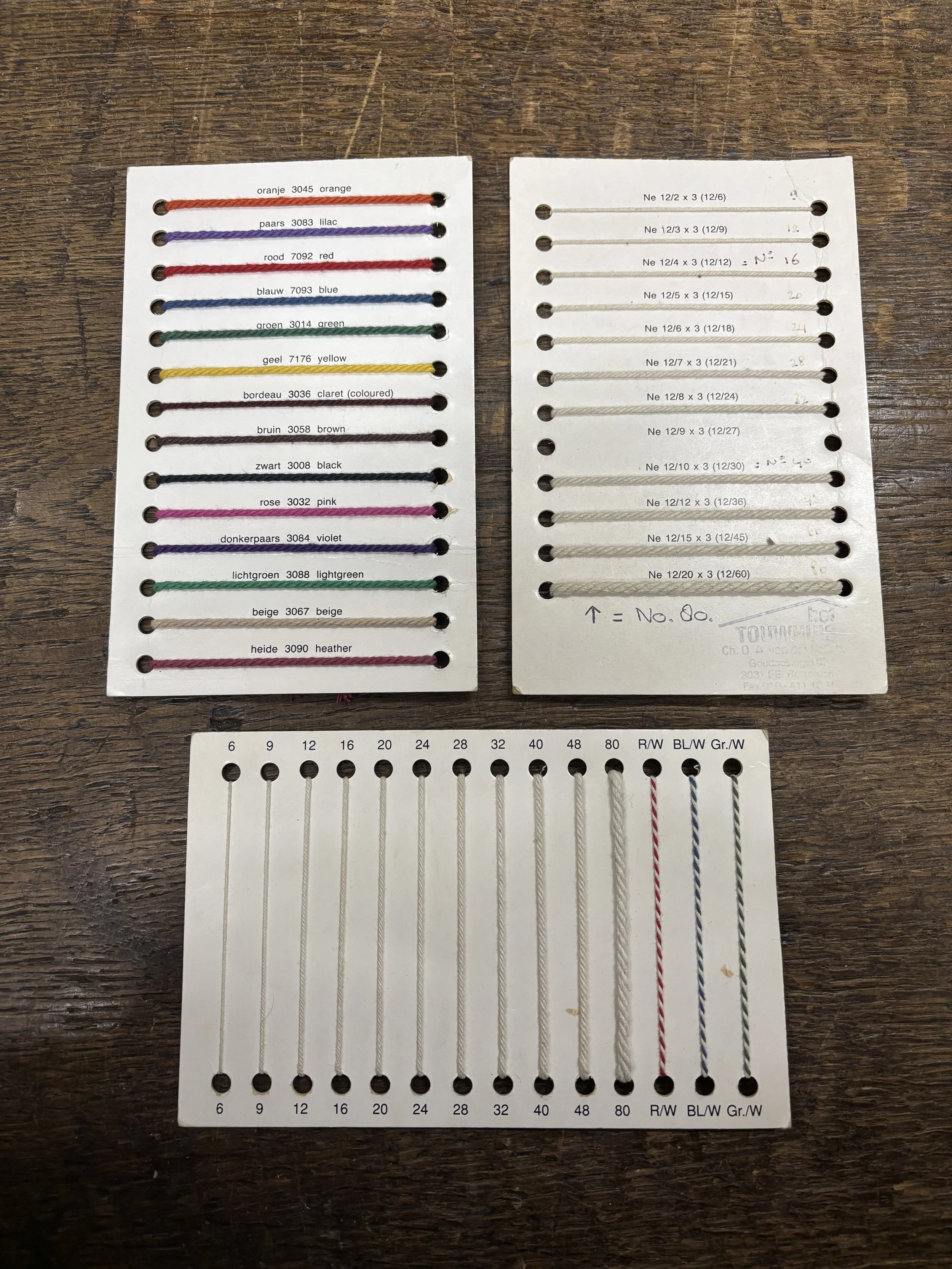
Prototyping
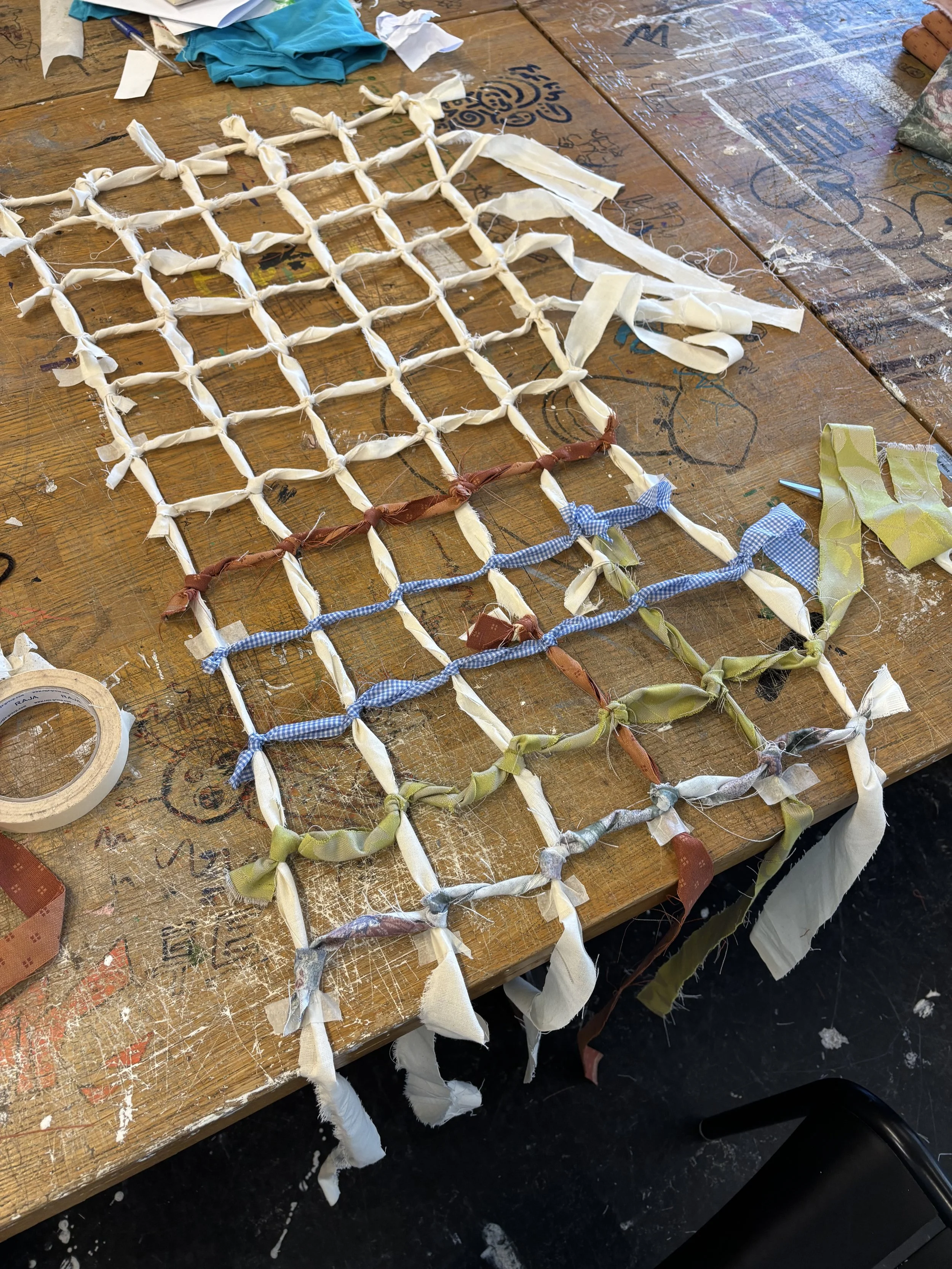
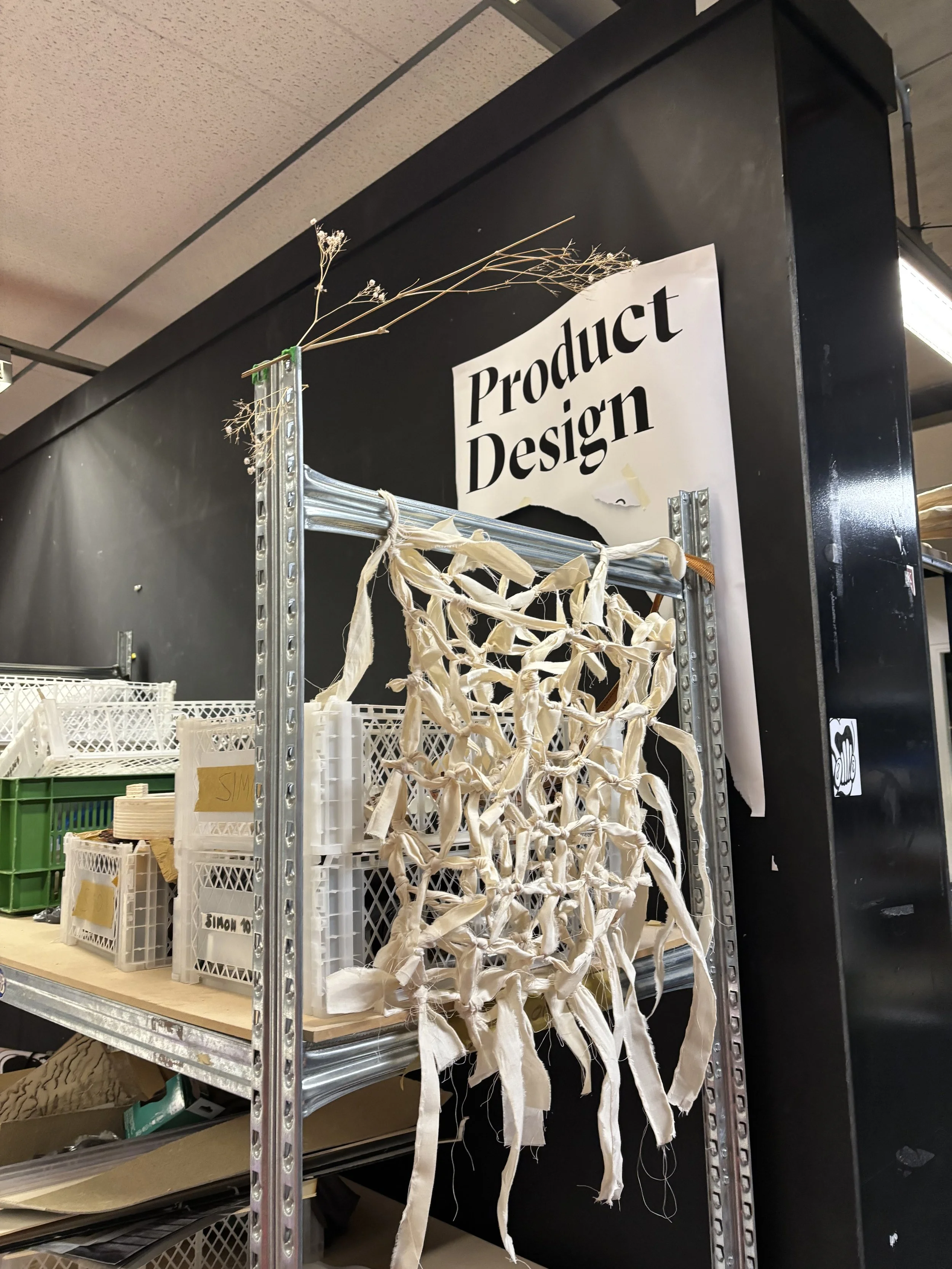
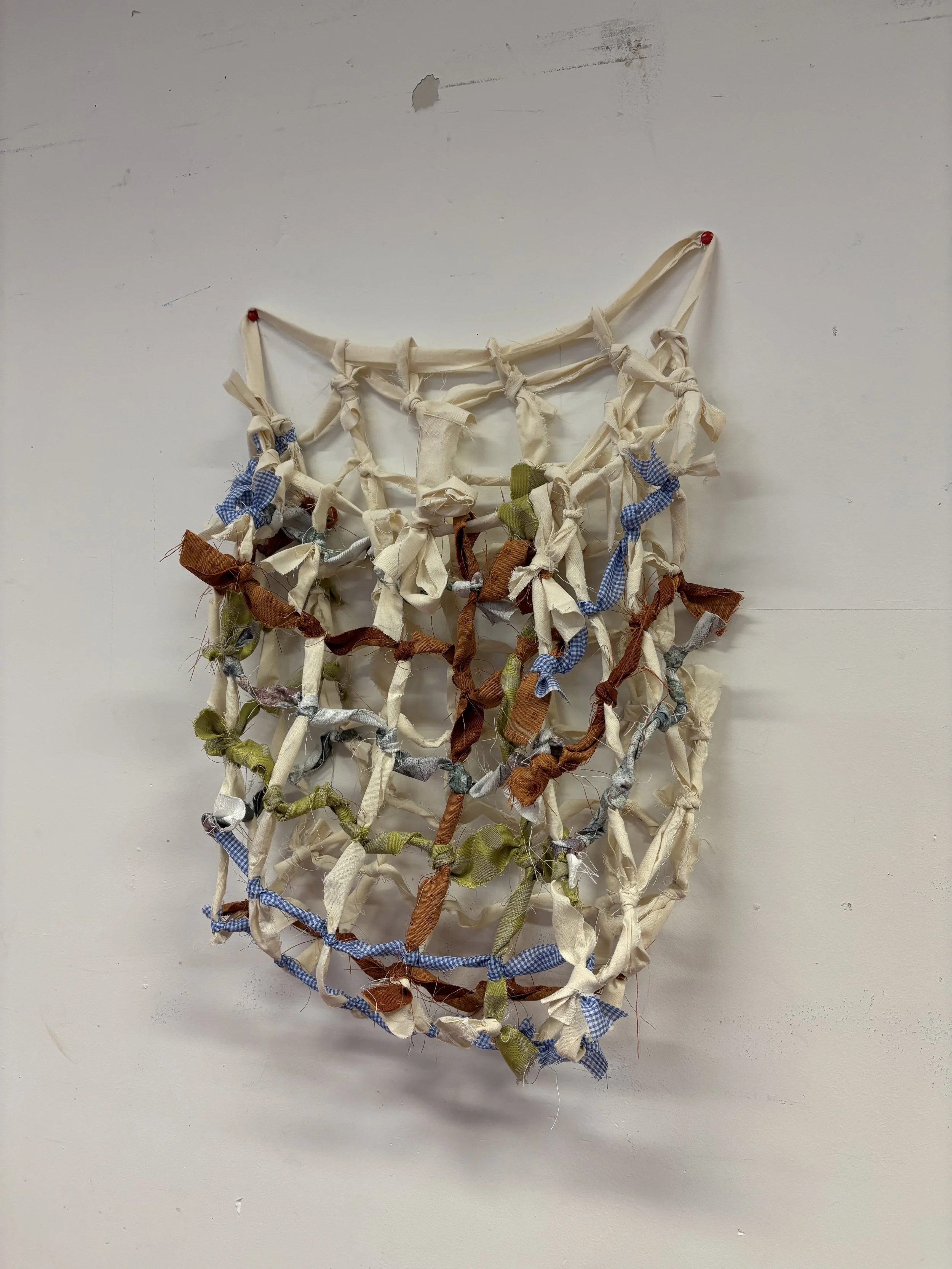
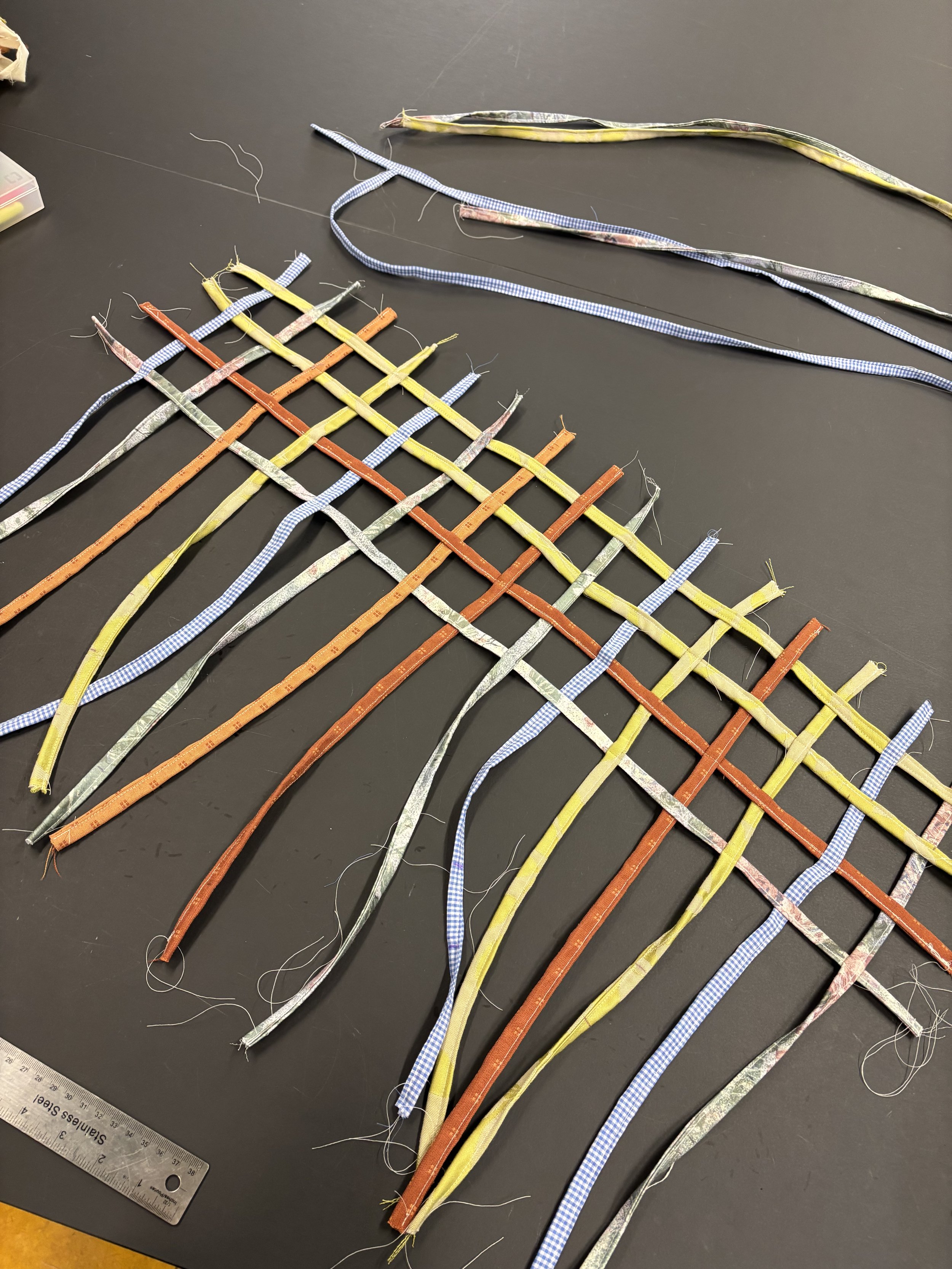
In these prototypes, I explored different methods of weaving, knotting, and fastening to build up structure with the recycled fabric.
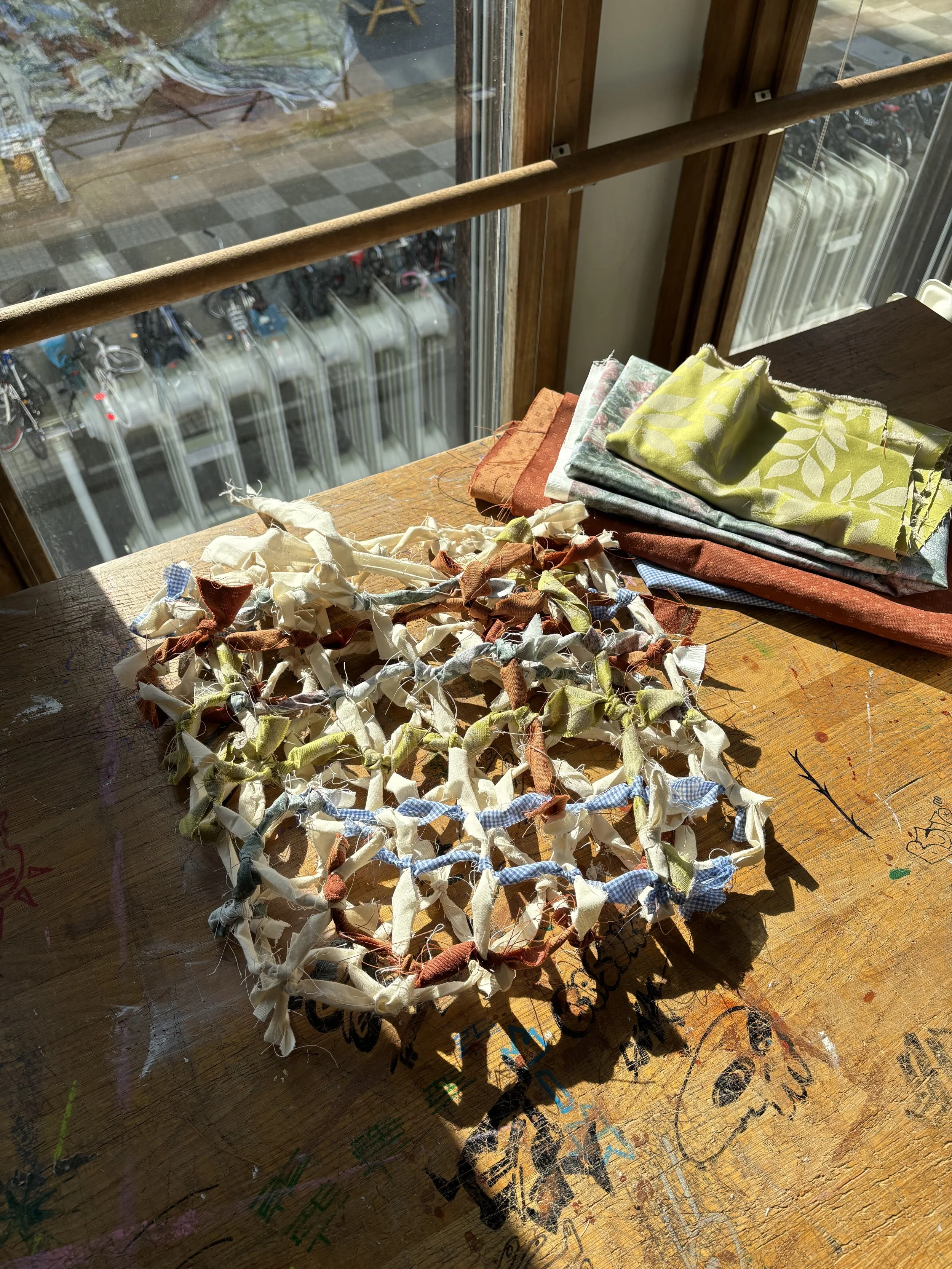
Production
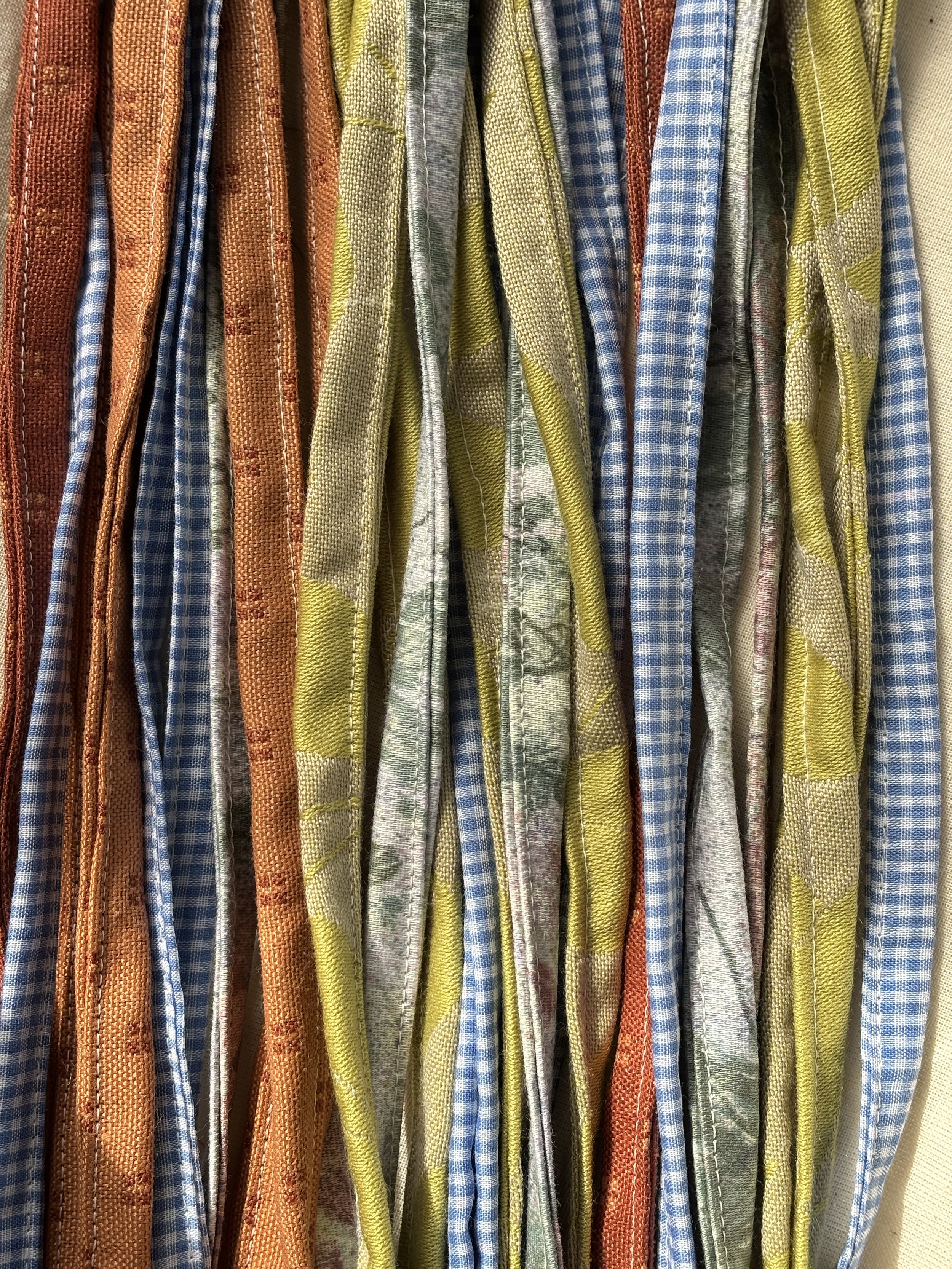
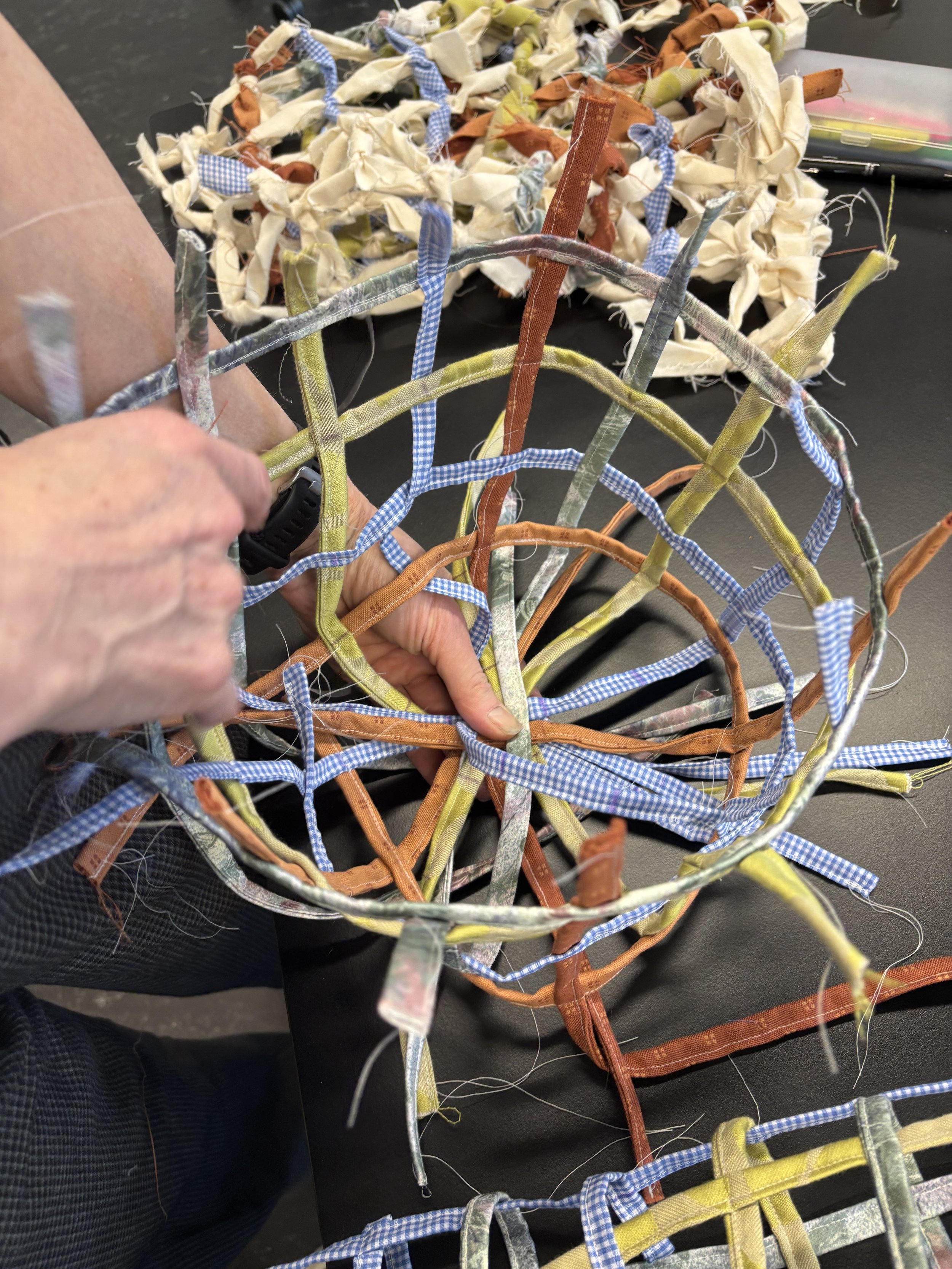
Through prototyping I discovered that sewing the fabric into long individual strips held the strongest or stiffest form, so I began production by sewing many of these long strips to make a grid.

Presentation
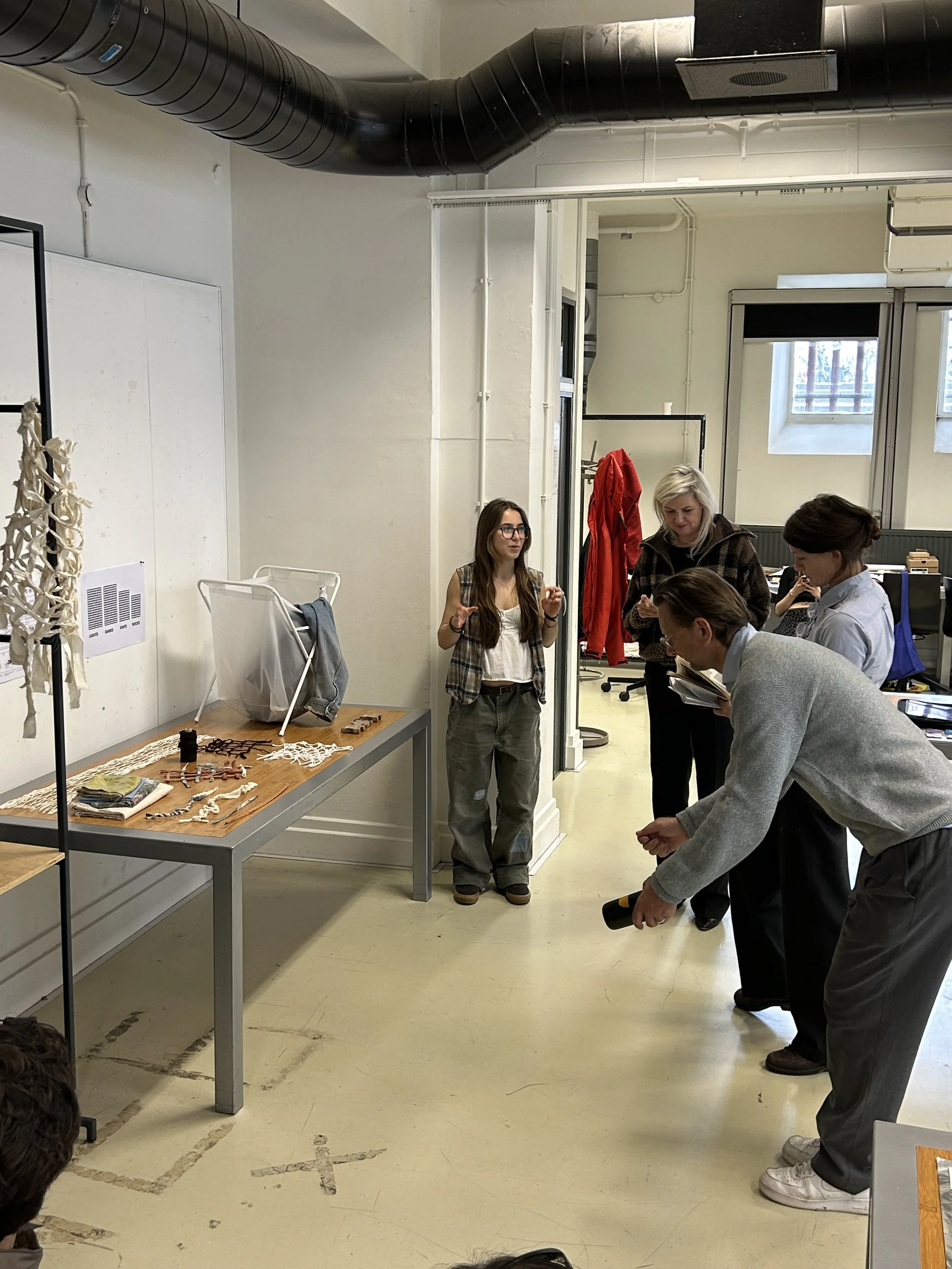
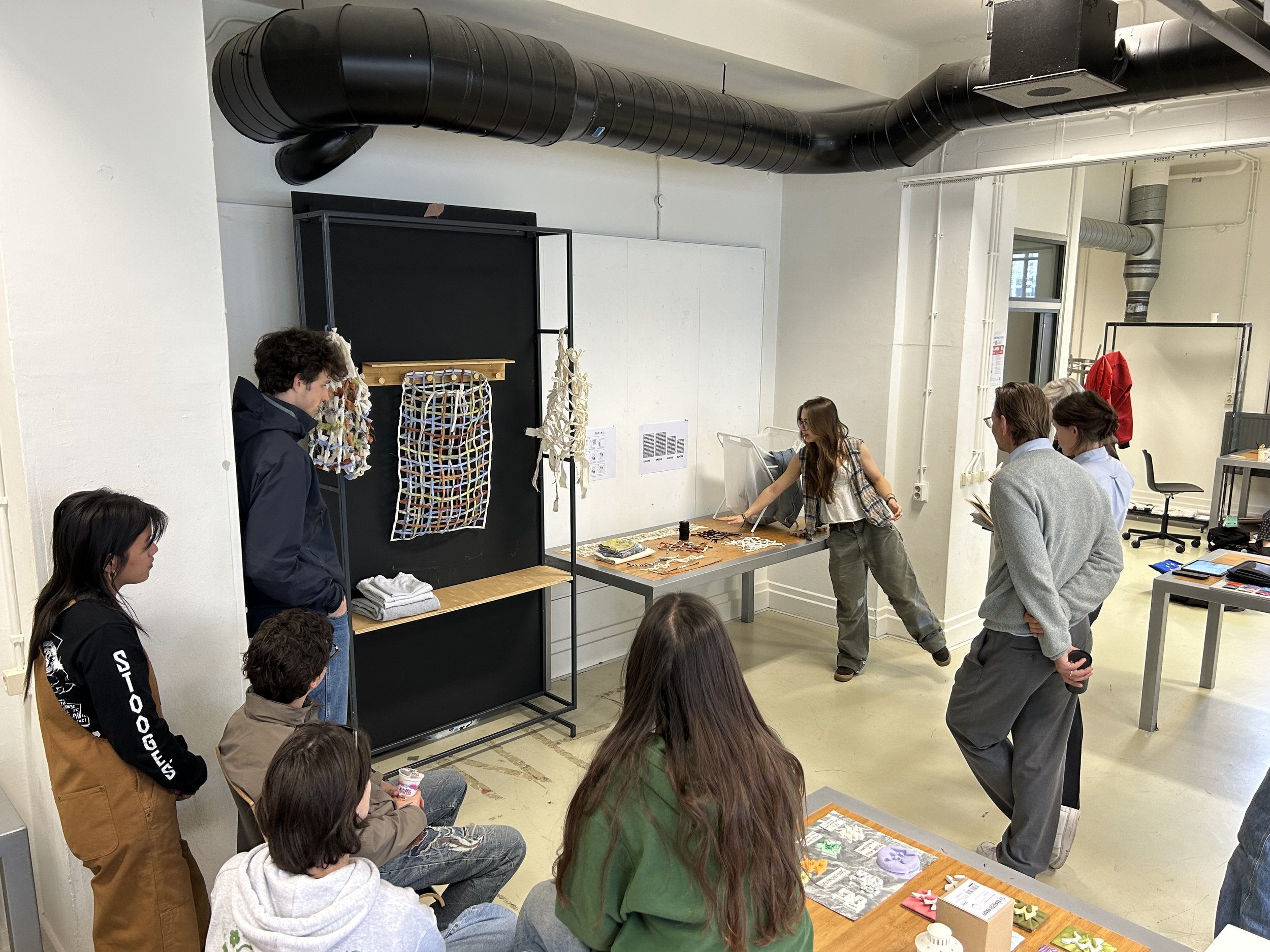
The project was very well received by the peers and faculty at my exchange school, WDKA. I am very happy with the end result of this project and would love to continue to explore other applications for the techniques I used for FÖRA.